
Australians have a habit of shortening almost everything, from people’s names to entire sentences. If a word has more than one syllable, there’s a good chance Australians have already found a way to trim it down and stick an o or an ie on the end. The result is one of the most distinctive slang vocabularies in the English speaking world.
This guide breaks down real Australian nicknames and slang terms, organized by how they’re actually used, from what people call each other to what they call an afternoon barbecue. Each term comes with its actual meaning, so you’ll know exactly what’s being said next time you hear one.
How Australians Turn Words Into Nicknames
Australian slang follows a surprisingly consistent pattern once you notice it. Most of it fits two main formats, the o suffix and the y or ie suffix, and once you spot those patterns, the whole system becomes a lot easier to follow.
The o pattern takes the first part of a longer word and adds o to the end, producing words like servo for service station, arvo for afternoon, garbo for garbage collector, and ambo for ambulance officer. This pattern tends to attach to jobs, roles, places, and everyday objects, and carries a slightly casual, working class flavor.
The y or ie pattern works the same way but swaps in a y or ie ending instead, giving you words like brekky for breakfast, mozzie for mosquito, sunnies for sunglasses, and footy for football. Once these two patterns click, most Australian slang stops feeling random and starts feeling like a genuine, logical system.
How Australians Nicknames slang Each Other
This same shortening habit extends directly to people’s names. Australians often go by their last names in casual settings, so someone named Sam Robertson might become Robbo, while Alex Jones might become Jonesy, and receiving a nickname like this is generally taken as a sign of friendship rather than anything unfriendly.
The same o and ie patterns from earlier show up here too, which is why so many Australian nicknames for people end the same way regardless of what the original name was.
Common Australian Nicknames For People
These terms describe people rather than objects or places, and show up constantly in everyday conversation.
| No. | Nickname | Meaning |
|---|---|---|
| 1 | Mate | A close friend, used constantly across Australia |
| 2 | Cobber | An older, classic word for friend |
| 3 | Bloke | A man |
| 4 | Sheila | A woman, though now considered a dated and somewhat outdated term used mostly in older films and songs. |
| 5 | Bogan | A loud, unpolished, stereotypically unrefined Australian, sometimes used as an insult and sometimes as a knowing, affectionate joke. |
| 6 | Drongo | A foolish or clumsy person |
| 7 | Galah | A silly or foolish person, named after the native bird known for flying into windows. |
| 8 | Dag | An unfashionable but endearing person |
| 9 | Bludger | Someone who avoids work or effort |
| 10 | Sook | A whinger or crybaby, used to gently tell someone to stop feeling sorry for themselves. |
| 11 | Relo | A short way of saying relative. |
| 12 | Seppo | Slang for an American |
Common Everyday Australian Slang Words
These are the words you’d hear constantly in daily conversation across the country.
| No. | Nickname | Meaning |
|---|---|---|
| 1 | Arvo | Afternoon |
| 2 | Brekkie | Breakfast |
| 3 | Servo | Short for service station or gas station |
| 4 | Sunnies | Sunglasses |
| 5 | Mozzie | The Australian slang word for a mosquito. |
| 6 | Barbie | Short for barbecue. |
| 7 | Chewie | Chewing gum. |
| 8 | Avo | Avocado |
| 9 | Defo | Definitely |
| 10 | Heaps | A lot, or very |
| 11 | No Worries | It’s fine, no problem, or you’re welcome, often described as close to the national motto. |
| 12 | Sorted | <cite index=”48-1″>A close cousin of no worries, meaning everything is taken care of. |
| 13 | Lollies | Candy or lollipops. |
| 14 | Lippie | Lipstick |
| 15 | Iffy | Uncertain or questionable |
Australian Food And Drink Slang
Food and drink terms make up one of the richest categories in Australian slang.
| No. | Nickname | Meaning |
|---|---|---|
| 1 | Snag | A sausage, often eaten in a sausage sizzle on white bread with onions and sauce. |
| 2 | Sanger | A sandwich |
| 3 | Esky | A portable cooler for keeping food and drinks cold |
| 4 | Stubby | A short, squat bottle of beer. |
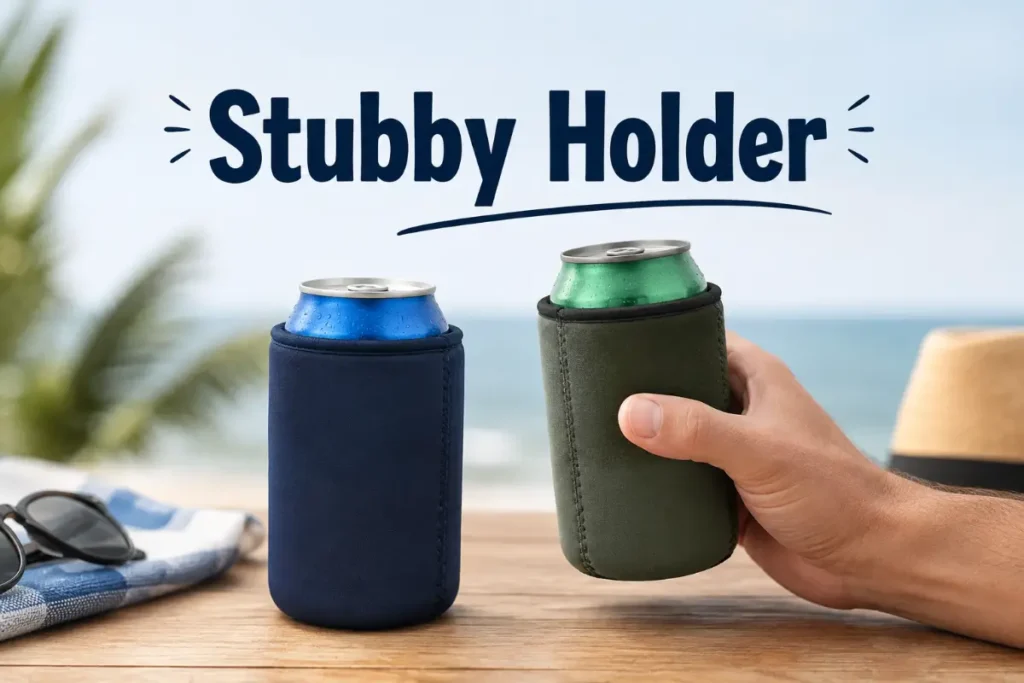
| 5 | Stubby Holder | The foam sleeve used to keep a beer bottle cold. |
| 6 | Goon | Cheap wine sold in large cartons. |
| 7 | Bottle-O | A bottle shop or liquor store |
| 8 | Bikkie | A biscuit or cookie |
| 9 | Cuppa | A cup of tea |
| 10 | Choccy Bikky | A chocolate biscuit. |
| 11 | Maccas | Slang for the fast food chain McDonald’s. |
| 12 | Frothy | A cold beer |
Australian Nicknames slang For Jobs And Roles
Australians tend to shorten job titles just as often as everyday words.
| No. | Nickname | Meaning |
|---|---|---|
| 1 | Garbo | A garbage collector. |
| 2 | Ambo | An ambulance officer. |
| 3 | Journo | A journalist. |
| 4 | Tradie | A tradesperson. |
| 5 | Postie | A postal worker. |
| 6 | Muso | A musician |
| 7 | Vego | A vegetarian |
| 8 | Polly | Slang for a police officer. |
| 9 | Cabbie | A taxi driver. |
Australian Nicknames For Places
Australia’s slang extends to the country and its cities, not just its people.
| No. | Nickname | Meaning |
|---|---|---|
| 1 | Straya | A casual, phonetic shortening of Australia |
| 2 | Oz | A common nickname for Australia |
| 3 | Down Under | Refers to Australia’s position south of the equator |
| 4 | The Outback | The vast, dry, remote interior of the country. |
| 5 | Woop Woop | Slang for a remote or far away place |
| 6 | Dunny | An outdoor toilet, historically common in rural Australia |
| 7 | Op Shop | A thrift or charity shop, short for opportunity shop. |

Funny And Unique Australian nicknames Slang
A few terms stand out simply for how colorful or unusual they sound.
| No. | Nickname | Meaning |
|---|---|---|
| 1 | Fair Dinkum | An expression used to emphasize that something is true or genuine. |
| 2 | Rooted | Slang for being extremely tired |
| 3 | Cactus | Slang for something broken or no longer working |
| 4 | Legless | Extremely drunk |
| 5 | Chook | A chicken |
| 6 | Clucky | Feeling broody or wanting children |
| 7 | Crook | Sick or unwell |
| 8 | Mongrel | Slang for someone unpleasant or difficult |
| 9 | Aggro | Aggressive |
| 10 | Exy | Expensive |
How To Use These Nicknames The Right Way
nicknames Australian slang works best in casual, relaxed settings rather than anything formal. Terms like mate and no worries are safe pretty much anywhere, but some, like sheila, are genuinely dated and rarely used seriously anymore, so it’s worth knowing which terms are still common and which ones mostly show up in older movies and songs.
It also helps to remember that a lot of these nicknames follow the same predictable o or ie pattern once you know it. If you hear an unfamiliar word ending in one of those two sounds, there’s a good chance it’s simply a shortened version of a longer, more familiar word.
Frequently Asked Questions
What is the most common Australian slang word?
Mate is one of the most widely used Australian terms, along with everyday words like arvo, brekkie, and no worries.
Why do Australians shorten so many words?
Australian slang generally follows two patterns, adding an o or a y and ie ending to the first part of a longer word, which explains why so many terms sound similar in structure.
What does arvo mean in Australian slang?
Arvo means afternoon and is one of the most commonly used Australian slang terms.
What is a bogan?
A bogan refers to a loud, unpolished, stereotypically unrefined Australian, used both as a light insult and as an affectionate joke depending on context.
What does fair dinkum mean?
Fair dinkum is used to emphasize that something is true, genuine, or real.
How do Australians create nicknames for people’s names?
Australians often use a person’s last name with an o or y ending added, so a name like Robertson might become Robbo, and Jones might become Jonesy.
What does no worries mean in Australia?
No worries is an extremely common phrase meaning it’s fine, no problem, or you’re welcome, often considered close to a national motto.
Final Thoughts
Australian slang nicknames is one of the most consistent and creative systems in the English speaking world, built almost entirely around shortening words and adding a friendly, informal ending. Once you recognize the o and ie patterns, most unfamiliar Aussie terms become a lot easier to figure out. Whether it’s a person’s name, an afternoon barbecue, or a trip to the servo, there’s almost always a shorter, more casual way to say it in Australia.
