
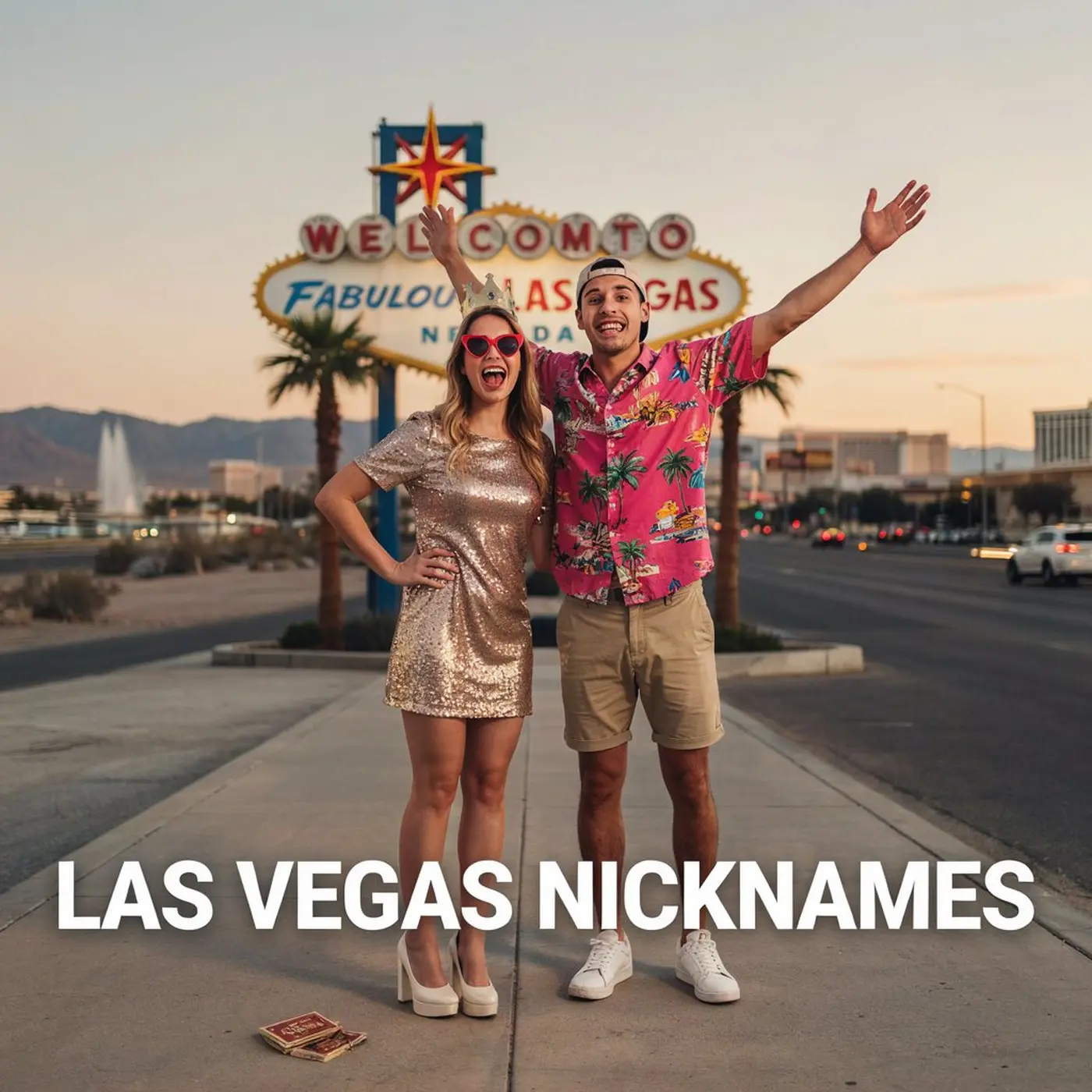
Few American cities have collected as many nicknames as Las Vegas. Some capture its wild reputation, others reflect a deliberate rebrand, and one even traces back to the literal meaning of the city’s name. Here’s where each of them actually came from.
Where The Name Las Vegas Comes From
Before any of the nicknames, there’s the name itself. Las Vegas comes from Spanish, meaning the meadows, a reference to the natural springs and grassy wetlands that once existed in the area long before it became a desert tourist destination. Spanish traders and later American settlers used the name because of that unexpected greenery in an otherwise dry, harsh landscape.
Sin City
This is Las Vegas’s most famous nickname, and also its most debated in terms of origin. The city’s earliest reputation for vice traces back to its founding in 1905 as a railroad town, when a specific downtown area known as Block 16 became known for saloons, gambling, and prostitution catering to railroad workers and travelers passing through. That reputation only grew once legalized gambling arrived in 1931 and organized crime figures began building casinos on what would become the Strip.
Exactly who coined the phrase Sin City is genuinely unclear. Some sources point to a 1963 book called Las Vegas: City of Sin?, written by two casino executives, as one of the earliest print references. Others describe the reputation, and informal use of the phrase, taking hold decades earlier during the city’s early gambling and nightlife boom in the 1930s. Historians have not identified one clear original source, so the nickname likely spread gradually through word of mouth among reporters, tourists, and entertainers rather than coming from a single person.
The Entertainment Capital Of The World
Local government officials and tourism promoters favor this nickname today because it reflects the city’s deliberate shift toward a broader public image. After the decline of Las Vegas’s mob connected past, city leaders and casino investors worked to reposition the city around world class entertainment instead of its rougher reputation. The Rat Pack era of the 1950s and 60s, featuring performers like Frank Sinatra, played a major role in building this image, and the nickname has stuck as Las Vegas has continued hosting major concerts, residencies, and large scale events ever since.
The Gambling Capital Of The World
This one is about as straightforward as nicknames get. Nevada legalized gambling in 1931, and Las Vegas grew into the largest and most concentrated gambling destination in the country, eventually the world, making this nickname a simple reflection of the city’s core industry rather than a marketing invention.
The Marriage Capital Of The World
Nevada’s historically loose marriage laws, short waiting periods, no blood test requirements, and round the clock chapels made Las Vegas an easy place to get married quickly. That convenience helped the city earn this nickname. The city became known for both quick weddings and, for a long stretch of its history, unusually easy divorces as well, adding another layer to its reputation as a place where major life decisions happen fast.
Neon Capital And City Of Lights
Massive and elaborate neon signs have long defined Las Vegas’s skyline, especially along the Strip and historic Fremont Street. Many of these signs date back to the mid 20th century. That visual identity earned the city nicknames like the Neon Capital and City of Lights, and it’s significant enough that Las Vegas maintains an actual Neon Museum dedicated to preserving historic signs that once lit up the city.
A Few Lesser Known Nicknames
Beyond the most famous ones, Las Vegas carries a handful of other nicknames that show up less often but still reflect real parts of its identity. The Silver City references Nevada’s mining history. America’s Playground and the Capital of Second Chances both reflect the city’s reputation as a place for indulgence and reinvention. Hawaii’s Ninth Island is a more specific, modern nickname, reflecting the large number of Hawaiian residents and tourists who have made Las Vegas a frequent destination, close enough to feel like an extension of home.
A Quick Reference
| Nickname | Meaning |
|---|---|
| The Meadows | The literal Spanish translation of Las Vegas, referencing the area’s natural springs |
| Sin City | Tied to the city’s early reputation for gambling, alcohol, and adult entertainment |
| The Entertainment Capital Of The World | Reflects the city’s rebrand around world class shows and performers |
| The Gambling Capital Of The World | A direct reference to Nevada’s legalized gambling industry |
| The Marriage Capital Of The World | Based on Nevada’s historically fast and easy marriage laws |
| Neon Capital / City Of Lights | Refers to the city’s iconic neon signage, especially downtown |
| The Silver City | An older nickname tied to Nevada’s mining history |
| Hawaii’s Ninth Island | Reflects the city’s large Hawaiian resident and tourist population |
Why These Nicknames Still Matter
Las Vegas’s nicknames tell two very different stories depending on which one you focus on. Sin City captures the reputation the city built in its early, rougher decades, while the Entertainment Capital of the World reflects a deliberate, decades long effort to redefine that image around glamour and world class shows instead. People still use both nicknames constantly today, sometimes even in the same sentence. That contrast shows how Las Vegas has kept its edgier reputation while also rebranding itself for a much wider audience.
Frequently Asked Questions
Why is Las Vegas called Sin City?
The nickname traces back to the city’s early reputation for gambling, alcohol, and adult entertainment, though historians haven’t pinned down exactly who coined the phrase or precisely when it first caught on.
What does Las Vegas mean in Spanish?
Las Vegas means the meadows, a reference to the natural springs and grassy areas that once existed in the region before it became a desert tourist destination.
Why is Las Vegas called the Entertainment Capital of the World?
This nickname reflects a deliberate shift by city leaders and casino investors to rebrand Las Vegas around world class shows and performers, especially following the Rat Pack era of the 1950s and 60s.
Why is Las Vegas known as the Marriage Capital of the World?
Nevada’s historically fast and simple marriage laws, including short waiting periods and no blood test requirements, made Las Vegas an easy place for couples to marry quickly.
What is Hawaii’s Ninth Island?
It’s a nickname reflecting the large number of Hawaiian residents and tourists who visit or have relocated to Las Vegas, making it feel like an extension of Hawaii itself.
Is Sin City an official nickname?
No. Unlike some state nicknames adopted through legislation, Sin City is an informal nickname that grew through popular use rather than any official designation.
Final Thoughts
Las Vegas has earned more nicknames than almost any other American city, and each one reflects a different chapter of its history. Sin City captures where the city came from, while the Entertainment Capital of the World reflects where it deliberately chose to go next. Together with nicknames tied to marriage, gambling, and even its neon lit skyline, they paint a full picture of a city that has never stopped reinventing its own identity.
